
How to Search the Ripley Court Docket
Ripley Municipal Court offers no public name-search form and no live docket screen online. The workable municipal route is a phone call to the clerk. Treat it as confirmation, not an online docket search. Before dialing, gather the essentials: court name, citation or case number, party name, ticket or filing date, and the issuing agency. These details make the call smoother, though the court publishes no required fields. A county portal becomes relevant only after you establish that the matter belongs to Circuit or Chancery rather than municipal court.
- Read the ticket or notice and record the court named on it. Do not use a Ripley street address as the court identifier.
- For a Ripley Municipal Court matter, call the municipal clerk and ask whether the office can confirm the case number, appearance date, payment status, or copy process.
- For a sheriff or Mississippi Highway Patrol citation, contact Tippah Justice Court and use its nCourt landing page only for payment and access links.
- For a Circuit appeal or a county-level proceeding, use the Circuit Clerk, MEC, or Delta route rather than the municipal page.
- Confirm a setting with the court that holds the record before appearing. No public municipal case-result screen was captured.
Ripley Court Docket Municipal Contact
The official Ripley Municipal Court page names Courtney Grisham as Municipal Court Clerk. It also lists 662-837-3659 for the court office, along with deputy clerks who can steer a caller through the office. When you call, ask which court holds your matter. Ask, too, whether the staff can confirm a municipal docket status or an upcoming setting. The city posts no records-request form, no copy-fee schedule, and no public citation-search field. So expect the clerk conversation to carry the whole lookup.
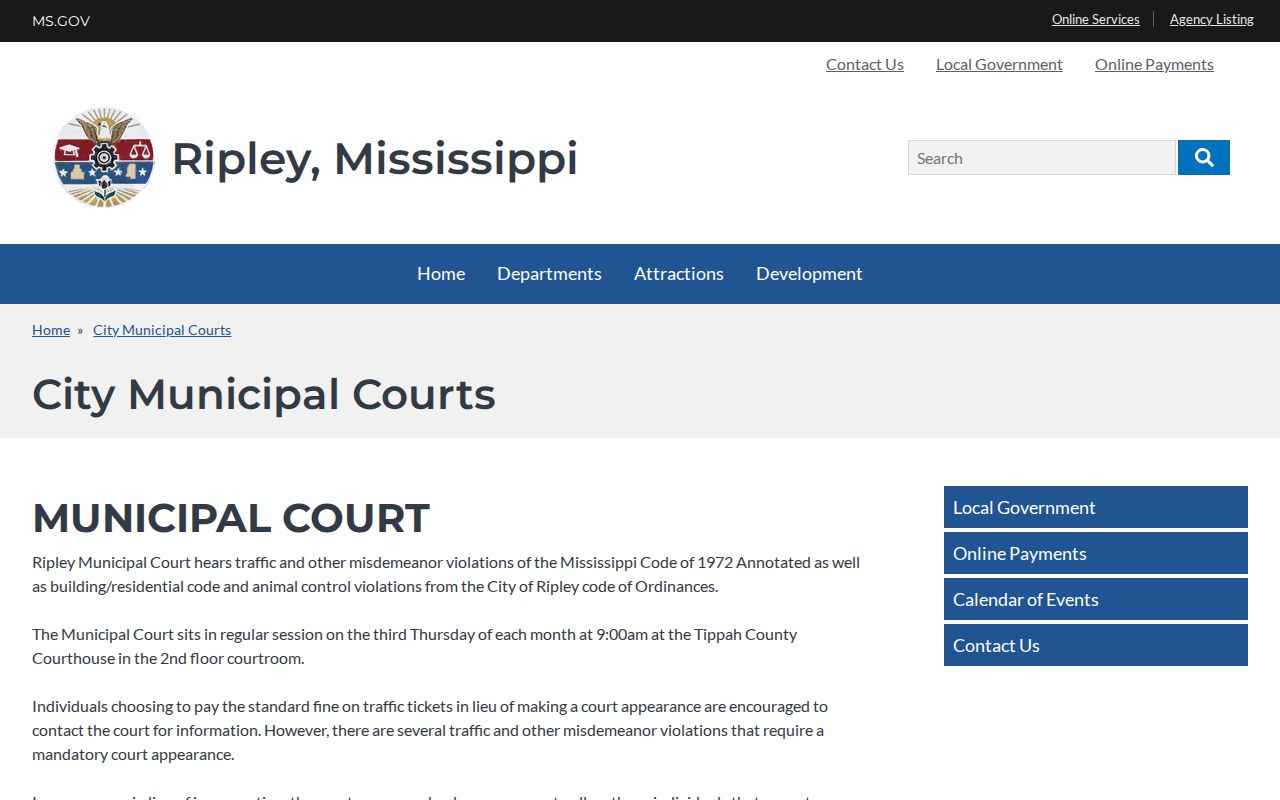
A direct call to the municipal clerk works. But the city court is not a countywide docket portal. Before relying on the office to locate material, separate two requests. One is a docket status check; the other is a copy or certified copy. The city publishes no current records workflow, required request fields, payment method, or turnaround time. Confirm those details with the clerk directly. Note: Ripley posts no public municipal search fields. So frame clerk questions as confirmation requests rather than form instructions.
The Ripley Municipal Court
Ripley Municipal Court hears more than traffic tickets. Per the city page, its docket covers city traffic and Mississippi Code misdemeanors. Building and residential code matters and animal-control ordinance cases appear there too. Judge Sonny Meeks appears in both the city material and the 2026 state judicial directory. The city page lists prosecutor Bart Adams. Officials help you identify the office, not predict an outcome. Remember that municipal court is a city-level court. A felony, a Circuit civil matter, a Chancery matter, a Youth Court file, or a sheriff or Highway Patrol ticket follows a different Tippah route. Don't force a city case into Delta's Circuit collections just to get a name search. The municipal court lacks a search form, and that limitation shouldn't drive venue decisions.
Ripley Court Docket Monthly Session
Ripley Municipal Court holds a recurring session on the third Thursday of each month. It starts at 9:00 a.m. in the second-floor courtroom. That is a general schedule, not a case-level appointment. Any particular municipal case can be reset, continued, or set outside the general session. Always have the clerk confirm the appearance date for your individual matter. Ripley serves as the Tippah County seat. It counted 5,462 residents in the 2020 Census. That figure says nothing about docket or citation volume. Countywide Circuit, Chancery, Justice, and Youth offices are also concentrated in Ripley. But their term patterns and settings run separately from the municipal court's third-Thursday schedule. Note: Ripley's recurring session is the only published municipal schedule in the county. So never apply it to a court date in another Tippah town. Use the monthly session as a routing clue. It points you to the right city court to contact. A citation, a later notice, or clerk confirmation supplies the date that actually governs your matter. The city does not state whether every case follows the same session format. It also does not say whether a docket call is posted beforehand.
Ripley Court Dates and Settings
Read any Ripley setting as a court-specific event. The municipal court posts no public calendar entry. So there is no local screen, caption format, or reset field to check online. Keep every detail from your notice. Ask the clerk whether a later entry or notice changed the setting. The monthly session schedule does not guarantee your matter will be called then.
| Date | The case-specific date shown on the official notice or confirmed by the municipal clerk. |
|---|---|
| Time | The stated time. The city publishes 9:00 a.m. for its recurring session, not an individual-case time. |
| Courtroom | The city page says second-floor courtroom; confirm a case-specific venue before travel. |
| Judge | The presiding judge if shown on the notice. A judge listing does not establish a specific hearing date. |
| Setting Type | The official event label, such as appearance, hearing, plea, trial, or other court instruction. |
Note: A recurring municipal session and a case-specific setting answer different questions. The notice or the clerk controls.
Ripley Court Docket Venue Check
Always confirm the court name before heading to any Ripley court location. The municipal page uses 205 West Spring Street and a second-floor courthouse courtroom. County material lists separate spots: the general courthouse at 102 North Main Street, Circuit CourtInfo at 102-A North Main Street, the current Circuit Clerk page at 101 East Spring Street, and Justice Court at 205-B West Spring Street. Keep these distinct. Don't merge them into one direction. The county courthouse page shows the local courthouse context.
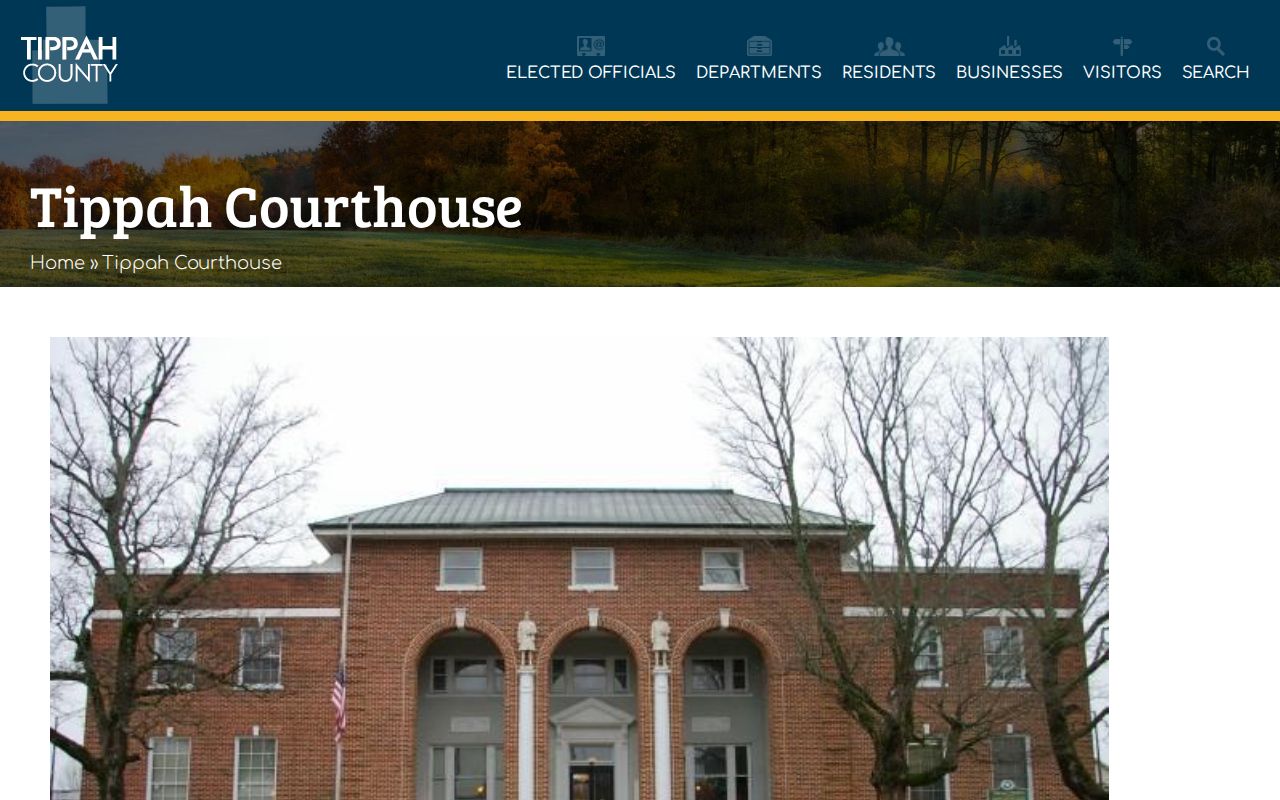
Before you drive over, call the municipal clerk or the county court named on your notice. Wording for the Ripley address can differ between the notice and a web directory, so a quick phone check saves the trip.
Ripley Traffic Tickets
Not every ticket belongs to Ripley Municipal Court, even one written in town. City traffic, misdemeanor, and ordinance citations usually do. Trust the court name and issuing agency printed on the citation, not the town. The city page tells people to contact the court about paying standard-fine traffic violations. Some violations still require a mandatory appearance. It lists no violation-by-violation payment chart, fine amounts, or deadlines. For the countywide picture behind a citation, see Tippah County traffic court records. A payment path is not a full docket history. A citation may fail to show in a county system. If that happens, confirm it with the municipal court directly.
Ripley Court Docket and Justice Court
Ripley Municipal Court and Tippah Justice Court are two separate channels. Each handles different cases. The county courts page assigns Highway Patrol and sheriff traffic citations, DUIs, county ordinances, civil suits, and other listed matters to Justice Court. The Ripley Municipal Court page covers city traffic, misdemeanor, and ordinance jurisdiction. Don't jump straight to a phone number or portal. First read the issuing agency and the court named on the citation.
| Ripley Municipal Court | Tippah Justice Court |
|---|---|
| City traffic, municipal misdemeanor, building/residential code, and animal-control ordinance matters described by the city. | County Justice Court matters, including sheriff or Highway Patrol citations as listed by the county. |
| Municipal clerk at 662-837-3659; no public case-search form located. | Justice Court at 662-837-8842; nCourt is a payment/access landing, not a full docket index. |
| City's third-Thursday recurring session is published. | Do not infer a Justice Court schedule from Ripley's municipal schedule. |
Where Ripley Cases End Up
A case that starts in Ripley does not always stay on a municipal docket. Once it moves, follow the paperwork. A Circuit appeal belongs with the court named in the later filing or notice. The same goes for any county-level proceeding. Circuit matters route through the Tippah County Circuit Clerk and the Third Circuit electronic systems. Chancery matters go to the Chancery Clerk. Justice Court keeps its own lower-court file. Court type decides the next record holder. The city where the event happened does not.
Docket flow: Ripley Municipal Court › Tippah County Courts › Mississippi Circuit Court, Third Circuit District, Tippah County
For the wider routing picture, the county court map on the Tippah County court docket home lays out how Circuit, Chancery, Justice, Youth, and municipal matters flow.
Ripley Court Docket Payment Limits
The city page separates standard-fine traffic payments from violations that require a mandatory appearance. Standard-fine payments are handled by contacting the court. Which violations qualify, what a payment costs, and what deadline applies are all unstated. Who may pay instead of appearing is unstated too. Call the municipal clerk with your citation details before counting on a payment option. Ripley also publishes a work-release reference for people who cannot pay fines. Without it, they would otherwise face incarceration. Eligibility, procedure, judicial approval, and whether it fits any particular case go unexplained. Treat it as neither a payment plan nor an automatic alternative.
Appearance check: A citation that requires a mandatory appearance should be confirmed directly with Ripley Municipal Court rather than handled as a standard-fine payment.
Public Access to Ripley Court Records
Ask the municipal custodian for municipal records. For county records, ask the clerk who keeps the specific court file. Mississippi public-record policy favors access. Even so, a search result or public docket never releases every document. Youth Court files, sealed or expunged material, minor-related items, and other restricted records carry special limits. When you request something, be specific. Ask whether inspection, an ordinary copy, a redacted copy, or a certified copy is available.
Key Rules:
Miss. Code §25-61-1 states Mississippi's policy favoring access to public records.
Miss. Code §25-61-5 supplies the inspection and copy-request framework; identify the court, record, and date range.
Miss. Code §43-21-261 addresses Youth Court confidentiality and is not a route around protected files.
Ripley publishes no certified-copy fee, ordinary-copy fee, or response-time promise for municipal records. The general public-record fee rule to check against a current clerk response is Miss. Code §25-61-7. Delta subscription charges and MEC electronic-access charges are not municipal certification fees. Before requesting a copy, ask the municipal clerk for the current amount, the payment method, and how delivery or pickup works.
Ripley Court Docket County Records Route
Delta's Circuit and Chancery collections and registered MEC access are county-level electronic channels, not Ripley Municipal Court databases. When a municipal case has moved into a Circuit appeal or another county-level proceeding, contact the court named in the later record. The current Tippah County Circuit Clerk page identifies Phil Koon and describes the office as clerk for Circuit and County Court filings and records.
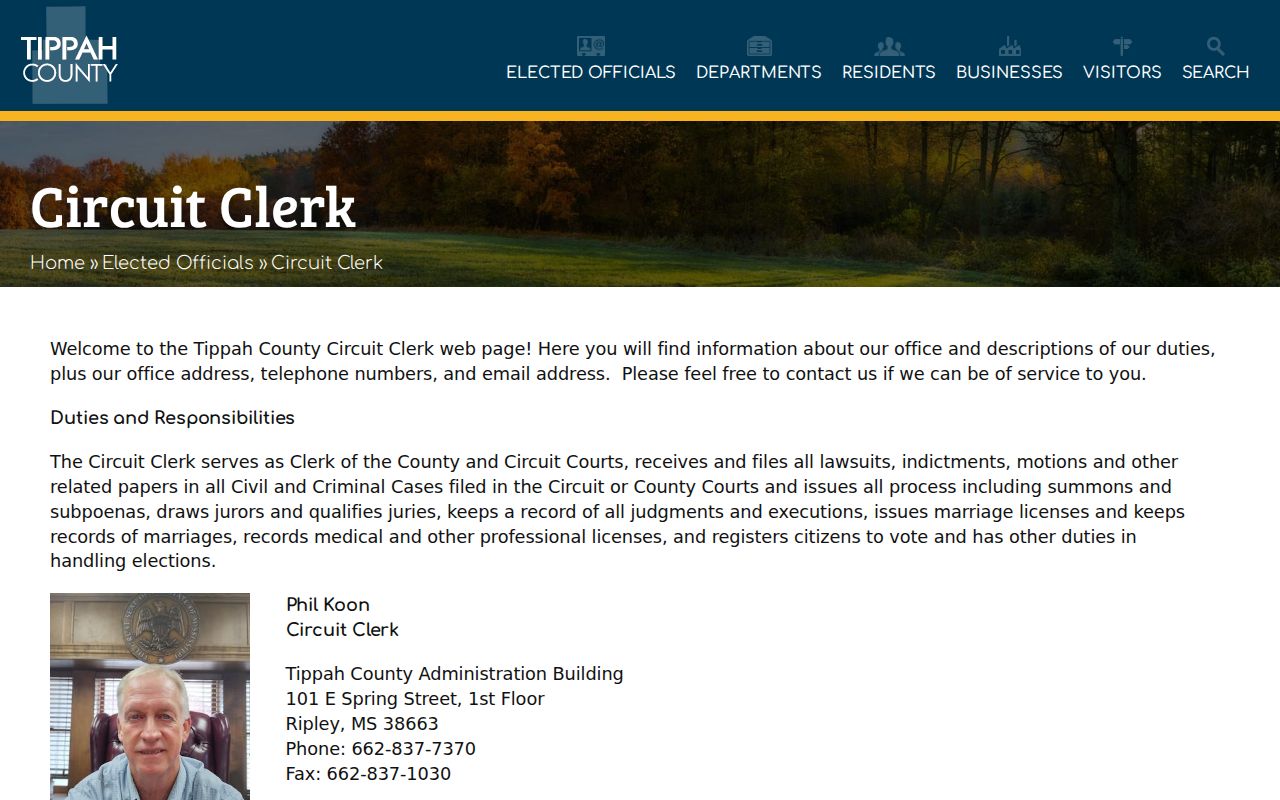
Use the Circuit Clerk route once the record itself shows a Circuit or County Court connection. It does not replace the municipal clerk for an untransferred Ripley case. Circuit electronic information splits between two systems. Delta's subscription collections hold one part. MEC's registered public access covers participating matters. Neither system is described as a Ripley Municipal Court search. When a result is important, recent, missing, or image-dependent, confirm with the court that maintains the original file. For older Circuit or Chancery research, the Tippah County Archives offers another documented county route. An archive collection is still not a current municipal calendar or citation search. At every handoff, keep three things clear. Name the court, the date range, and the type of record requested. That applies across municipal, county, and archive custodians.